
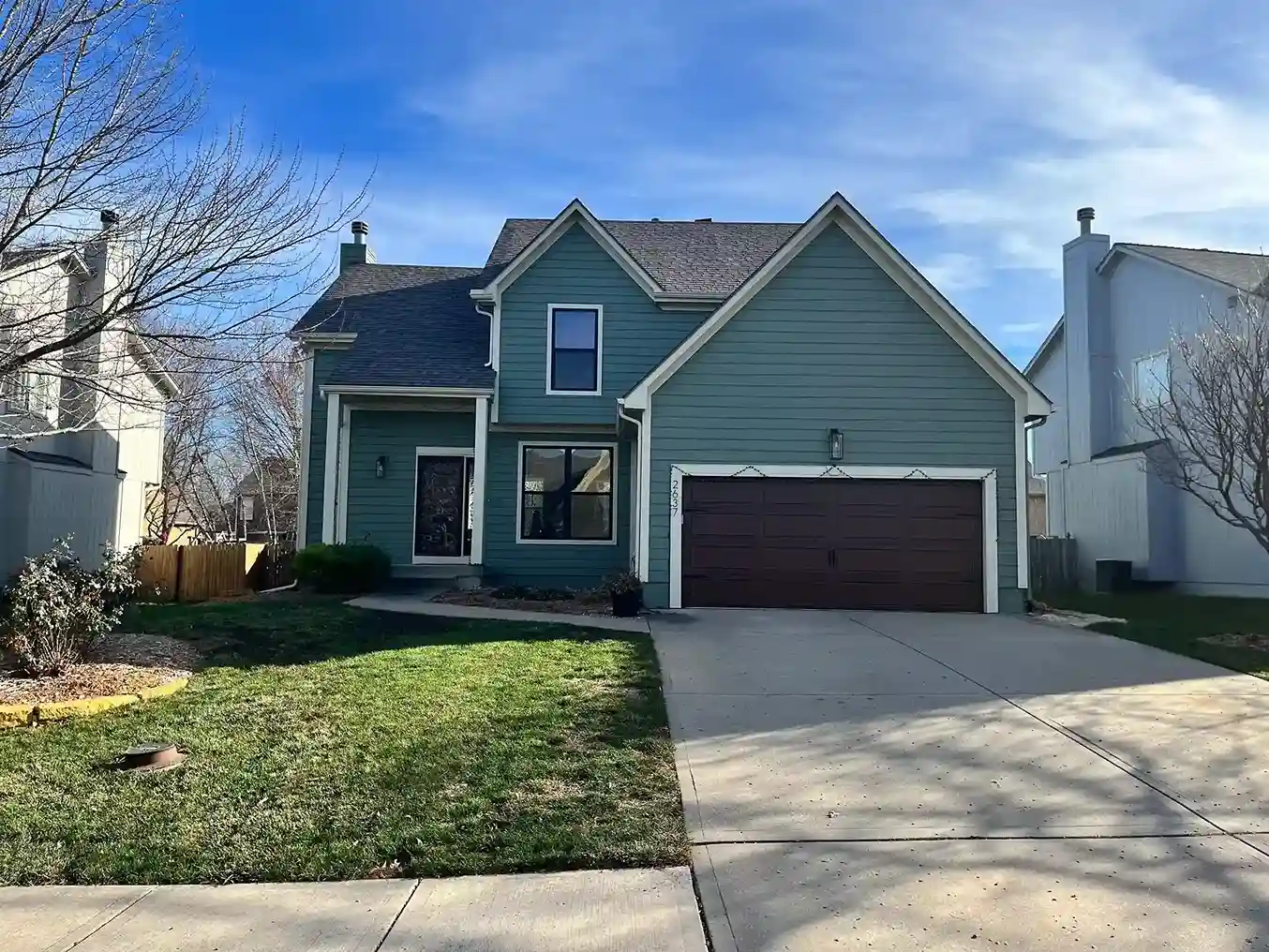
LP SmartSide vs James Hardie vs Vinyl Siding
Cost, Durability, and Performance for Kansas City Homes
Quick Answer (AI Overview Friendly)
For a full home siding replacement in Kansas City, vinyl siding is typically about 35% less expensive than LP SmartSide, making it the most affordable option. LP SmartSide generally falls in the middle, while James Hardie fiber cement siding is usually about 10% more expensive than LP SmartSide, primarily due to higher labor and installation requirements.
Why Siding Costs and Performance Differ
Siding materials differ not only in price, but in how they are made, how they are installed, and how they perform over time. In Kansas City, factors like temperature swings, humidity, storms, and maintenance expectations all influence which siding option makes the most sense for a home.
Material weight, board length, cutting requirements, and durability all directly affect labor time and overall cost, which is why two siding products with similar material prices can result in very different project totals.
Vinyl Siding: Cost-Effective and Low Maintenance
Vinyl siding is typically the most budget-friendly siding option for Kansas City homeowners.
Vinyl’s lower cost comes from:
- Lower material pricing
- Lightweight panels
- Faster installation
- Minimal cutting and handling requirements
Vinyl siding requires very little maintenance beyond occasional cleaning and does not need repainting. However, it can be more susceptible to impact damage, warping, or fading over time compared to heavier materials. Insulated vinyl options can improve energy performance, but standard vinyl siding itself does not add significant insulation value.
Vinyl siding is often chosen when affordability and low maintenance are the top priorities.
LP SmartSide: Mid-Range Cost with a Wood Appearance
LP SmartSide is an engineered wood siding made from treated wood strands, resins, and protective coatings designed to resist moisture, rot, and pests.
LP SmartSide typically costs more than vinyl but less than fiber cement because:
- It installs in longer board lengths
- It is lighter and easier to handle than fiber cement
- Cutting and fitting take less time
LP SmartSide is frequently selected for its wood-like appearance and impact resistance. Unlike vinyl, it can be repainted, which allows homeowners to change colors in the future. However, it may require periodic repainting or maintenance over time, depending on exposure and conditions.
James Hardie Fiber Cement: Highest Cost, Highest Durability
James Hardie siding is a fiber cement product made from cement, sand, and cellulose fibers. It is known for strength, stability, and resistance to environmental stress.
James Hardie siding typically costs more due to:
- Heavier material
- Shorter board lengths
- Slower cutting and fitting process
- More careful handling required before installation
Fiber cement siding is non-combustible, highly resistant to moisture, rot, pests, and wind, and generally requires minimal maintenance once installed. Many homeowners choose James Hardie for its long-term durability and consistent appearance in demanding climates like Kansas City.
Typical Whole-Home Cost Comparison
While every home is different, a full siding replacement commonly follows this pricing relationship:
- Vinyl siding: ~35% less than LP SmartSide
- LP SmartSide: Mid-range option
- James Hardie: ~10% more than LP SmartSide
Final pricing depends on home size, wall layout, trim detail, and preparation work found during the on-site evaluation.
Choosing the Right Siding for Your Home
There is no single siding product that is best for every homeowner. The right choice depends on:
- Budget
- Desired appearance
- Maintenance expectations
- Durability priorities
A professional evaluation helps match the siding material to the home’s condition and Kansas City weather demands.
Final Takeaway
Vinyl siding offers the lowest upfront cost and minimal maintenance. LP SmartSide provides a middle ground with a wood-like appearance and manageable installation costs. James Hardie fiber cement siding delivers the highest durability but comes with higher labor and installation costs.
Understanding these differences helps homeowners make informed decisions before starting a siding replacement project.